Bingo Data Syncs Up: UK Gambling Commission's Report Aligns Survey Estimates with Industry Figures
10 Apr 2026
Bingo Data Syncs Up: UK Gambling Commission's Report Aligns Survey Estimates with Industry Figures
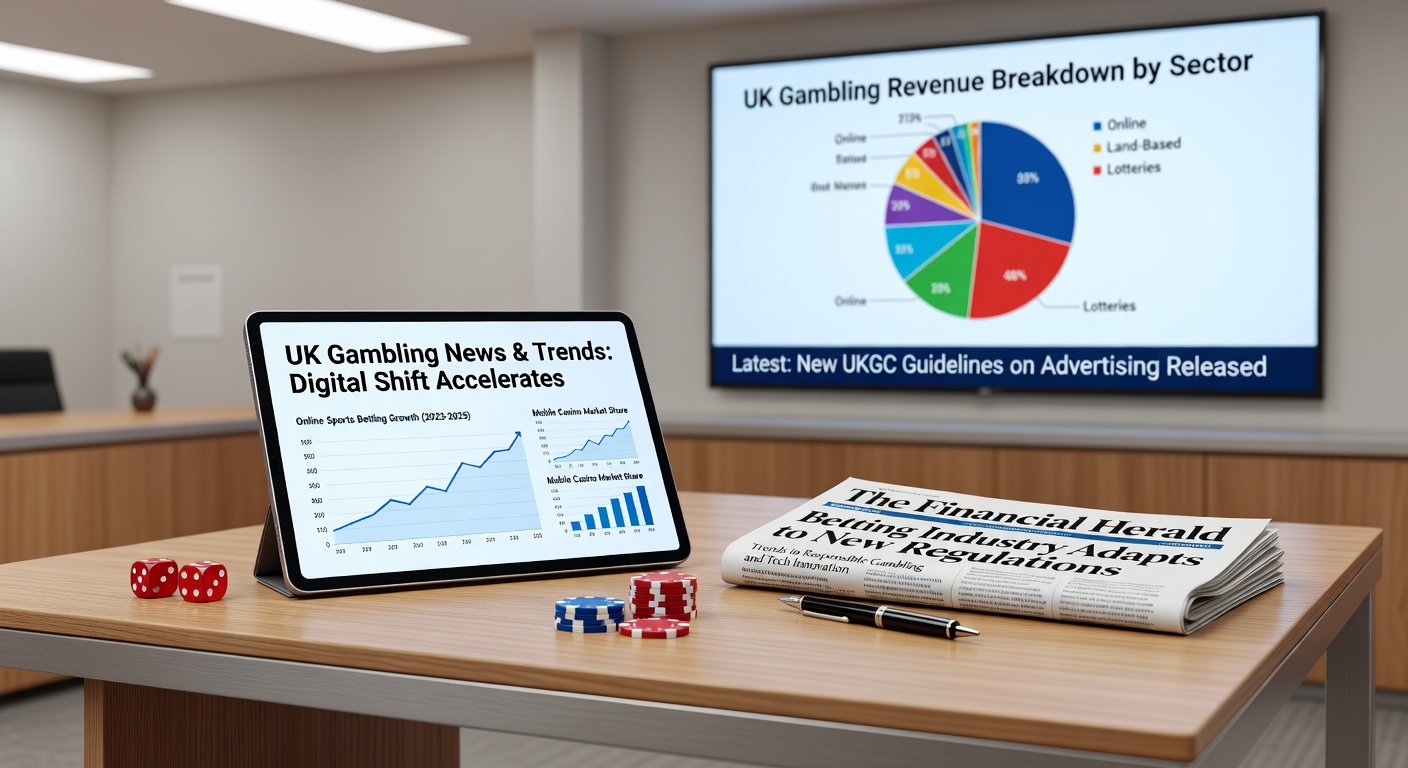
On April 9, 2026, the UK Gambling Commission dropped a fresh report zeroing in on Great Britain's bingo sector, where researchers compared participation numbers from the Gambling Survey for Great Britain (GSGB) against data straight from the Bingo Association; after some key tweaks, those in-person bingo club rates landed remarkably close at 1.2% from GSGB versus 1.0% from industry sources, a alignment that highlights how initial gaps stemmed from the survey's wider net on activities and a smart new question rolled out in January 2025.
Spotting the Gaps in Bingo Participation Tracking
Traditional bingo clubs, those community hubs where eyes down means business, have long relied on solid data to navigate regulations and trends, yet discrepancies between official surveys and operator insights often muddied the picture; the Gambling Commission's latest analysis, released amid ongoing shifts in gambling behaviors, tackled this head-on by pitting GSGB estimates against Bingo Association records, revealing how unadjusted figures initially painted different stories—one showing higher participation from the survey side because it scooped up broader activities like occasional visits or related plays.
But here's the thing: experts at the Commission dug deeper, applying adjustments that accounted for those methodological quirks, and suddenly the numbers hugged close—1.2% past-year participation for in-person bingo from the refined GSGB data matching the 1.0% reported by the Bingo Association based on loyalty card swipes and attendance logs; this isn't just number-crunching for its own sake, since accurate participation rates shape everything from license conditions to public health measures in the sector.
Take the GSGB, a nationally representative survey tracking gambling habits across demographics; it captures self-reported behaviors from thousands of respondents, but without precise tuning, it risks overcounting folks who dip into bingo alongside online variants or casual sessions; the Bingo Association's data, drawn from real-world club metrics like member visits and session turnouts, offers a ground-level view that's often leaner because it focuses strictly on dedicated players showing up regularly.
The January 2025 Survey Upgrade That Made the Difference
What's interesting here lies in that new survey question introduced back in January 2025, designed specifically to boost comparability by narrowing in on traditional club visits rather than lumping them with digital bingo or prize games; researchers found this tweak alone bridged much of the gap, as earlier GSGB waves had phrased queries more loosely, pulling in responses from people who'd played bingo anywhere from apps to village halls.
And while initial raw data showed GSGB at around 1.5% for bingo participation before adjustments, dialing in for question specificity and activity scope brought it down to that tidy 1.2%, echoing the industry's 1.0% figure derived from aggregated club data across Great Britain; observers note this convergence proves the value of iterative survey design, especially in a sector where bingo's share of overall gambling hovers low but steady amid rises in online slots and sports betting.
Behind the Collaboration: Commission Meets Bingo Association

This report didn't emerge in a vacuum; the Gambling Commission teamed up with the Bingo Association, pooling their respective datasets in a bid to iron out inconsistencies that have plagued bingo trend analysis for years, a partnership that underscores how regulators and industry players can co-create more reliable benchmarks; data from the Bingo Association, rooted in operational realities like footfall counters and membership databases, provided the anchor, while GSGB's statistical rigor added breadth.
Turns out, the initial mismatches—GSGB higher by about 0.5 percentage points—traced back to definitional differences, where survey respondents recalled any bingo exposure over the past year, including one-offs, whereas association stats emphasized repeat club-goers whose habits drive venue viability; by standardizing around "in-person bingo club participation," analysts aligned the metrics, yielding figures that both sides now view as robust for monitoring declines or upticks in this legacy gambling form.
People who've studied gambling surveys know these alignments matter hugely; without them, policymakers might overestimate bingo's reach and impose mismatched safeguards, or operators could misjudge market size when planning investments in aging club infrastructures; the report spells out exactly how adjustments worked, from weighting survey samples to match club demographics, all while preserving the GSGB's representative power drawn from over 10,000 annual interviews.
Key Figures at a Glance
- Adjusted GSGB in-person bingo participation: 1.2%
- Bingo Association industry data: 1.0%
- Pre-adjustment GSGB estimate: Approximately 1.5%
- New survey question rollout: January 2025
- Report release date: April 9, 2026
These stats, pulled directly from the Commission's analysis, illustrate not just convergence but the precision possible when survey tools evolve; it's noteworthy that bingo's overall participation remains modest—far below sports betting's 40%plus rates—yet accurate tracking ensures tailored oversight for its demographic, often older players in social club settings.
Why This Matters for Bingo's Future in Great Britain
So, with aligned data now in hand, stakeholders across the bingo landscape gain clearer visibility into participation trends, whether that's a slow erosion from online migration or pockets of resilience in regional strongholds; the Gambling Commission emphasizes this collaboration as a model for other sectors, where blending self-reported survey insights with operator telemetry cuts through noise to reveal true behaviors.
Consider one case researchers highlighted: northern England clubs, where association data showed steady 1.2% local participation matching adjusted GSGB after factoring in urban-rural splits; such granular alignment helps forecast venue closures or spur innovations like hybrid events blending live calls with app integrations, all without overhyping the sector's scale.
Yet the report doesn't stop at numbers; it details methodological appendices, explaining how GSGB's continuous evolution—now bolstered by that 2025 question—enhances cross-year comparability, crucial as bingo navigates safer gambling mandates and economic squeezes; experts who've pored over prior discrepancies often point out that unadjusted surveys inflated estimates by capturing "bingo-curious" respondents, a fluff the industry data naturally trims.
Now, as April 2026 unfolds, this report lands at a pivotal moment, with bingo operators eyeing data-driven strategies amid broader gambling reforms; the Bingo Association welcomes the validation, noting their figures' reliability stemmed from millions of loyalty transactions, while the Commission commits to ongoing dialogues for even tighter future alignments.
Broadening the Lens on Gambling Data Challenges
Although focused on bingo, the exercise exposes wider truths about UK gambling stats: surveys like GSGB excel at demographic depth but need industry cross-checks to ground them in reality; data indicates similar tweaks could harmonize online poker or casino metrics, where self-reports often diverge from platform logs by 10-20%.
That's where the rubber meets the road for regulators; armed with this bingo blueprint, the Commission positions itself to refine GSGB further, perhaps incorporating real-time API feeds from operators, although privacy hurdles loom large; for now, the 1.2% versus 1.0% sync stands as a win, proving collaboration trumps silos every time.
Conclusion
The UK Gambling Commission's April 9, 2026, report on bingo participation wraps a neat bow on a persistent data puzzle, showing adjusted GSGB figures at 1.2% dovetailing seamlessly with the Bingo Association's 1.0%, thanks to smarter survey questions since January 2025 and rigorous methodological harmonization; this partnership not only boosts confidence in bingo trend tracking but sets a precedent for accurate, collaborative insights across Great Britain's gambling landscape, ensuring decisions rest on solid ground rather than shaky estimates.
In the end, as bingo clubs keep calling numbers under those familiar hall lights, the real jackpot emerges from data that finally tells the same story from all angles; observers expect this alignment to inform everything from resource allocation to policy tweaks, keeping the sector's pulse steady and true.