21 Jul 2026
UK Gambling Commission Publishes Latest GSGB Trends and 2025 Annual Report
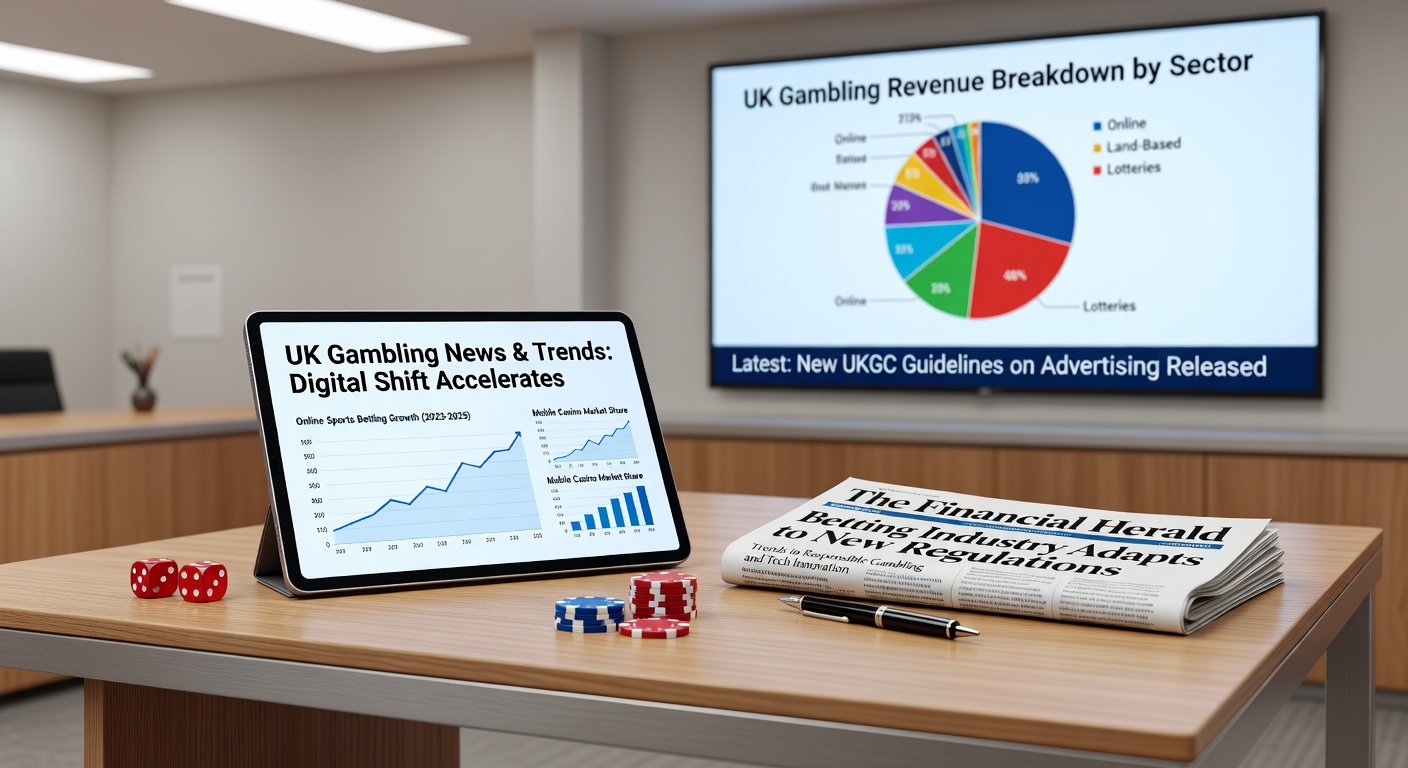
The UK Gambling Commission has released its most recent official statistics drawn from the Gambling Survey for Great Britain, and these documents break down participation patterns, behavioural shifts, and reported harms across the population. Observers note that the package includes both a Trends report spanning 2023 to 2025 and the full GSGB Annual Report for 2025, giving researchers and regulators a clearer longitudinal view of how gambling activity has evolved in recent years.
Data from the survey covers the period January 2025 through January 2026 and shows that 47 percent of adults in Great Britain participated in some form of gambling during the preceding four weeks. This figure emerges from a large-scale effort that combines self-reported responses with industry-aligned estimates, allowing analysts to track consistency across different measurement approaches.
Participation Figures in Context
Those who have examined the full dataset point out that the 47 percent participation rate sits alongside detailed breakdowns by age, region, and gambling type. Researchers discovered that certain activities continue to dominate, while others show modest fluctuations year over year. The Trends report in particular allows direct comparisons between 2023, 2024, and 2025, revealing where stability exists and where change has occurred.
Figures reveal that the survey methodology now aligns more closely with industry-reported data than in previous iterations. This alignment reduces discrepancies that once existed between survey estimates and operator records, giving policymakers a more unified picture of overall market activity.
Trends Across Three Years
The Trends report compares data collected across the three-year window and highlights steady participation in several core gambling formats. Experts have observed that online channels remain prominent, while land-based venues show different patterns depending on location and demographic group. Because the survey runs continuously, analysts can identify seasonal effects and longer-term movements without relying on single snapshot studies.
What's interesting is how the 2025 Annual Report expands on these trends by adding layers of behavioural detail, including frequency of play and reported experiences of harm. The Commission has structured the release so that both documents sit together, making it easier for stakeholders to cross-reference participation numbers with harm indicators in one place.

Behaviours and Reported Harms
Alongside the headline participation statistic, the releases provide updated insights into how people gamble and the consequences they report. The Annual Report contains sections on problem gambling screens, financial impacts, and help-seeking behaviour. Data indicates that a subset of respondents describe experiencing negative effects, and the Commission has published these figures alongside participation totals so that scale and impact can be viewed together.
Those who've studied the methodology note that the survey uses standardised instruments to measure harm, which supports year-on-year comparisons. The Trends report therefore serves as a reference point for tracking whether certain risk indicators have moved in line with, or independently of, overall participation levels.
How the Data Connects to Broader Oversight
Regulators and academics often turn to these releases when assessing the effectiveness of existing rules and when planning future interventions. Because the Gambling Survey for Great Britain now incorporates both survey and industry data streams, the resulting statistics carry greater weight in policy discussions. The 2025 reports arrive at a time when multiple strands of evidence are being reviewed together, allowing patterns in participation, behaviour, and harm to inform the same conversation.
One study revealed that alignment between survey estimates and operator figures has improved markedly, which strengthens confidence in the overall dataset. Observers note that this consistency matters when decisions about licensing, advertising, and player protection are being shaped by the numbers.
Conclusion
The UK Gambling Commission's release of the GSGB Trends report and 2025 Annual Report supplies a consolidated view of adult gambling activity between 2023 and 2025, anchored by the finding that 47 percent of adults gambled in the four weeks prior to interview. These documents deliver updated measurements of participation, behaviours, and harms that researchers and regulators can use to monitor developments across Great Britain. The structured presentation of both trend data and annual detail supports ongoing analysis without requiring separate data collection efforts.