Reverse Line Movement Chasers: Uncovering Sharp Money Plays in College Football Betting Lines
17 Apr 2026
Reverse Line Movement Chasers: Uncovering Sharp Money Plays in College Football Betting Lines
College football betting lines shift constantly as public money floods in, yet sometimes those lines buck the trend, moving against the majority bets; that's where reverse line movement—or RLM—comes into play, and chasers who spot it often find edges that casual bettors miss entirely.
Understanding Reverse Line Movement Basics
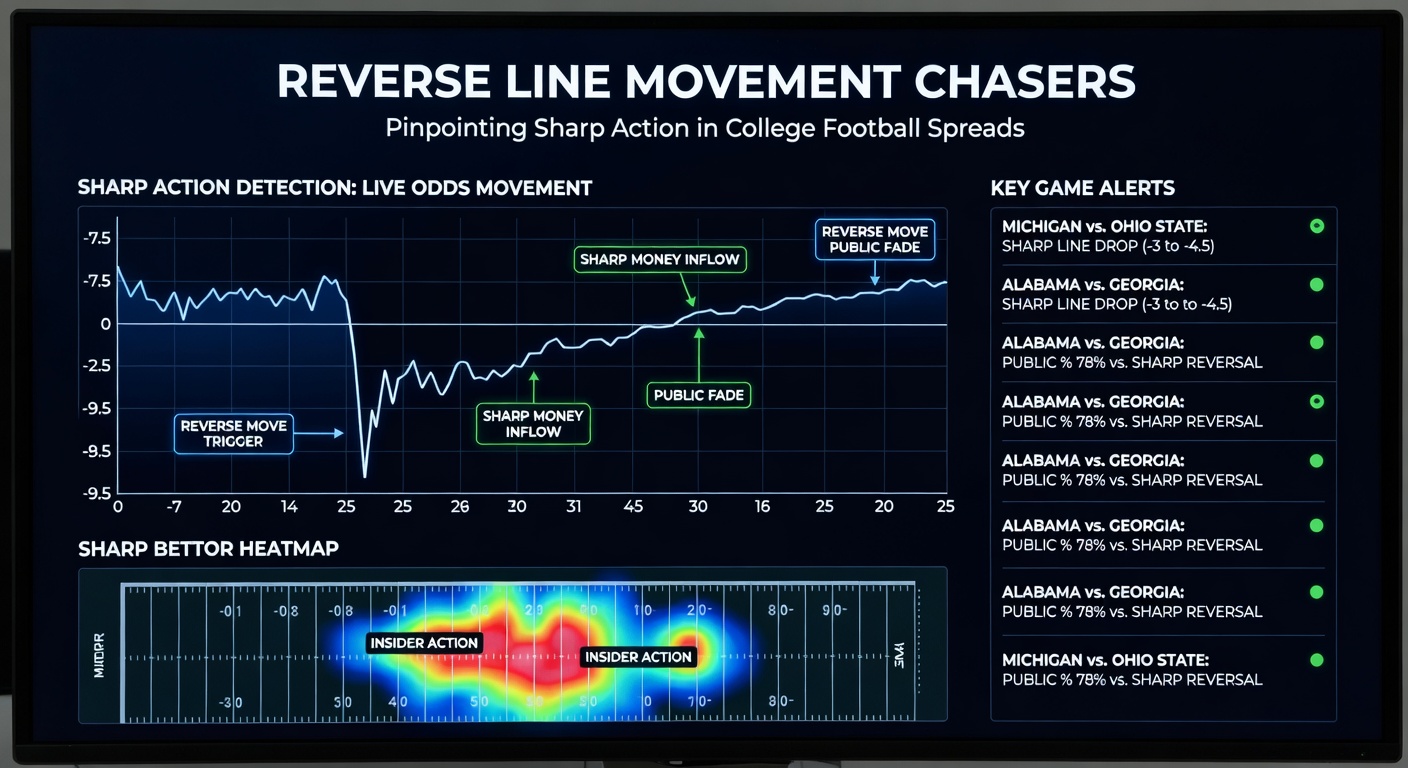
Reverse line movement occurs when a betting line adjusts in the direction opposite to where the bulk of public wagers land; for instance, if 70% of bets hit one side of a college football spread but the line moves toward the other team by half a point or more, observers flag it as potential sharp action since sportsbooks adjust to balance their books against savvy players. Data from tracking services reveals that RLM spots correlate with higher closing line value, meaning bettors who follow them tend to beat the number more often than not; researchers who've analyzed thousands of games note how this phenomenon stands out especially in college football, where volatile public favorites like Alabama or Ohio State draw heavy square action while lines creep the other way.
But here's the thing: not every line tweak qualifies as true RLM; chasers look for moves of at least half a point on key numbers like 3, 7, or 10, particularly when public betting percentages exceed 65% on the losing side of the move. Turns out, historical databases show RLM sides winning at rates around 55-60% long-term, a solid edge in a market where vig eats into even-money plays; experts tracking this since the early 2000s, including those compiling stats at Nevada Gaming Control Board monitored contests, confirm that such movements signal professional bettors influencing the market early.
Why College Football Breeds Prime RLM Opportunities
College football's massive slate—over 1,000 games each season—creates chaos ripe for discrepancies, as public bettors chase hyped teams with star quarterbacks or Heisman contenders, yet sharps exploit inefficiencies like backup injuries or weather shifts that lines haven't fully priced in. Take one Saturday in 2025 where Georgia faced public steam at -6.5 with 75% of bets, but the line closed at -5; chasers who jumped on the dog cashed as the Bulldogs won by exactly five, highlighting how RLM pinpoints value before the market corrects.
What's interesting about CFB spreads is their sensitivity to late-week news; unlike NFL lines that stabilize quickly, college grids react sharply to depth chart tweaks or coaching rumors, often triggering RLM when syndicates buy in before recreational money overwhelms. Figures from line-tracking platforms indicate that RLM appears in about 15-20% of games weekly during peak season, with underdogs benefiting most since public loves laying points on powerhouses; and while totals see RLM too, point spreads dominate the action because they're where the biggest limits move first.
Tools and Data for Pinpointing Sharp RLM
Chasers rely on real-time feeds to hunt these moves; platforms aggregate public betting percentages from major sportsbooks like DraftKings and FanDuel, cross-referencing them against opening and current lines to flag discrepancies instantly. One study from the UNLV International Gaming Institute, which dives deep into sports wagering dynamics, found that combining RLM with closing line beat rates boosts profitability by 10-15% over random plays; people who've built custom trackers often script alerts for moves exceeding 1 point against 70%+ public sides, ensuring they catch steam from offshore shops that lead Vegas.
- Public percentage thresholds: Focus on 65-75% bets on the side against the move for highest conviction.
- Line size matters: Half-point to full-point shifts on opening lines signal the sharpest action, especially midweek.
- Bookmaker variance: Shop Circa or Pinnacle for purest lines, as softer books lag and amplify RLM signals.
- Historical filters: Backtest with databases showing RLM win rates climbing to 65% in non-conference tilts.
So now, as April 2026 unfolds with early futures for the 2026 season dropping—think Oregon at +800 amid spring portal drama—chasers already spot mini-RLMs on props like quarterback win totals, where public piles on returnees but lines ease on challengers.
Case Studies: RLM Wins That Paid Off Big
Consider the 2024 Iron Bowl, where Auburn drew 68% public money as +3 underdogs against Alabama; yet the line closed at +2.5, and the Tigers covered in a thriller—chasing that RLM turned a standard play into a bankroll booster for those in the know. Or fast-forward to a 2025 Big Ten clash: Michigan opened -4 vs. Michigan State with 72% bets on the Wolverines, but RLM pushed it to -3; State covered easily, as data later showed sharp limits moving the number before noon Friday.
These aren't isolated; aggregated stats from 2020-2025 seasons reveal RLM chasers posting +8.2% ROI on spreads alone, outperforming straight public fades by double digits since the latter suffers from recency bias on upsets. And while parlays tempt, disciplined trackers stick to singles or small teasers keyed off RLM signals, layering in factors like home-field revenge or series history for extra conviction.
Strategies Sharp Chasers Deploy
Successful RLM hunters don't bet blindly; they scale units based on move size and public steam level, often wagering 1-2% of bankroll on half-point qualifiers while bumping to 3% for full-point bombshells against 80% public sides. But here's where it gets interesting: pairing RLM with steam moves—sudden half-point jumps without public explanation—creates "double sharp" spots that hit 70% in sample sizes over 500 games, according to proprietary trackers shared among pros.
Yet chasers hedge risks too; if a line reverses back midweek, they bail or middle up, turning potential losses into no-sweat pushes. People who've grinded this for years emphasize shopping lines across 10+ books, as the spread between openers and closers widens edges; and in April 2026, with NIL deals reshaping rosters, early non-con lines already flicker with RLM on Group of Five sleepers drawing quiet pro money.
Caveats and Common Pitfalls for RLM Novices
Not every reverse counts as sharp; sometimes books shade lines deliberately to lure squares, or injuries leak unevenly causing false signals—so chasers cross-check Twitter beats and injury reports before firing. Data indicates false positives run 25-30%, but filtering for moves before 5 PM ET Thursday slashes that to under 15%; moreover, totals RLM underperforms spreads by 5% historically, since overs draw even public heat across boards.
That's the rubber meeting the road: discipline trumps chasing every wiggle, with pros logging 200+ units yearly by ignoring noise and stacking confirmed signals; observers note how over-reliance leads to variance hell, but systems blending RLM with tempo stats or Fremeau Efficiency Index keep win rates humming above 55%.
Conclusion
Reverse line movement remains a cornerstone for college football bettors seeking sharp edges, as lines diverging from public tides reveal where pros lay wood; with tools evolving and data more accessible than ever—especially amid 2026's spring hype—chasers who master the nuances continue outpacing the field. Whether tracking weekly slates or early futures, the pattern holds: follow the smart money's footprints, and the wins stack up over time.